Subtotal ₨ 0

Child labor remains one of the biggest challenges affecting children in developing countries. Millions of children are forced to work instead of attending school, leaving them trapped in poverty and hardship.
Education is one of the most effective ways to combat child labor and create better opportunities for vulnerable children.
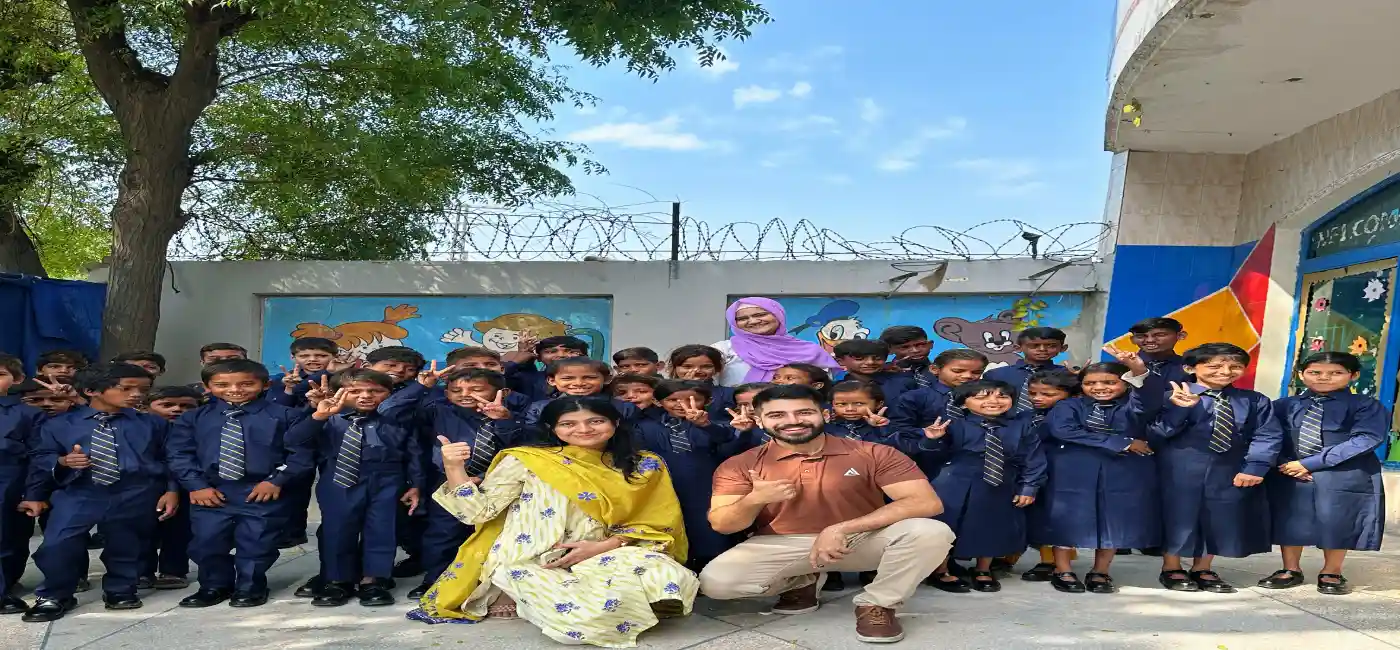
Nayi Uraan Foundation works to help children move away from labor and toward education, hope, and opportunity.
Understanding Child Labor
Child labor refers to work that prevents children from enjoying their childhood, education, and healthy development.
Many children work in:
- Factories
- Workshops
- Streets
- Agriculture
- Domestic labor
These children often work long hours in unsafe environments with little or no access to education.
Why Children Are Forced Into Labor
Poverty is one of the main reasons behind child labor. Families struggling financially may depend on children to help earn income.
Other factors include:
- Lack of access to schools
- Social inequality
- Poor awareness about education
- Family hardship
- Lack of community support
Without intervention, many children remain trapped in a cycle of poverty for generations.
The Impact of Child Labor on Children
Child labor affects children physically, emotionally, and mentally.
Children involved in labor often:
- Miss educational opportunities
- Face health problems
- Experience emotional stress
- Lose confidence and self-esteem
- Remain stuck in poverty
A child’s early years should be spent learning, playing, and growing — not working under difficult conditions.
Education as the Solution
Education gives children the opportunity to escape poverty and build independent futures.
Schools provide:
- Knowledge and skills
- Safe learning environments
- Emotional support
- Confidence and personal growth
- Better career opportunities
When children attend school regularly, they are less likely to be involved in labor.
The Importance of Community Support
Ending child labor requires collective action from communities, organizations, schools, and families.
Communities can help by:
- Encouraging school enrollment
- Supporting vulnerable families
- Donating to education programs
- Raising awareness about child rights
When communities work together, children receive stronger protection and support.
The Role of Non-Profit Organizations
Non-profit organizations play a major role in reducing child labor by providing educational support and resources.
Nayi Uraan Foundation helps vulnerable children access:
- Quality education
- Uniforms and books
- Nutritious meals
- Healthcare support
- Safe learning environments
This support helps children transition from labor toward education and opportunity.
Building a Better Future for Pakistan
A country grows stronger when its children are educated. Educated children become future teachers, doctors, leaders, and professionals who contribute positively to society.
Reducing child labor can help:
- Improve literacy rates
- Reduce poverty
- Strengthen communities
- Boost economic growth
- Create safer environments for children
Education is an investment in national progress and long-term development.
How You Can Make a Difference
Every individual can play a role in protecting children and promoting education.
You can:
- Sponsor a child
- Donate to educational charities
- Volunteer for social causes
- Raise awareness about child labor
- Support community education programs
Even one act of kindness can create life-changing opportunities for a child.
Conclusion
No child should have to choose work over education. Every child deserves safety, learning opportunities, and the chance to build a better future.
By supporting education and child welfare programs, we can help end child labor and create a society where every child has the opportunity to learn, grow, and succeed.
